All Categories
Featured
Ways to Obtain Military Financial Relief in 2026
Securing Vital 2026 Military Funding Opportunities

Holistic Veteran Wealth Management Tips in 2026

How to Handle VA Debt in 2026
Table of Contents
We have actually noted programs by special needs rating, income level, and debt type. ProgramDisability Rating/ EligibilityWhat Help ProvidesTime to Approval/ StartDuration or RenewalVA Impairment CompensationAny ratingProtects income13 monthsLifetimeVA Medical Financial obligation ForgivenessService-connected hardshipForgives VA medical debt6090 daysOne-time per applicationVocational Rehab & Employment 20%+ ratingTuition +, housing 13 months48 monthsSpecially Adjusted Real estate GrantsSevere mobility-related disabilityHousing funds36 monthsOne-time grant + supplemental allowancesEmergency Financial Difficulty GrantsService-connected disability + financial needDirect monetary relief30 days13 monthsNonprofit Disabled Veteran Financial obligation Assistance10%+ rating + monetary hardshipDebt payoff3090 daysOne-timeStudent Loan Forgiveness Overall irreversible impairment Federal student loan discharge36 monthsPermanentCredit Therapy Any ratingBudget aid, creditor negotiations24 weeks636 monthsBankruptcy ProtectionsAny ratingVA impairment checks24 months5 years This is your baseline.
Creditors can not take it. That check is protected. Use it as your constant ground when working debt relief or working out with loan providers. You use through a VA disability claim, which may take one to three months or longer for approval. When granted, advantages are continuous for life and might consist of retroactive back pay.
If you owe the VA for healthcare, apply for challenge relief. They can forgive the balance if your earnings is limited. This only uses to VA-issued expenses, however if you certify, it takes the weight off. You must send a monetary difficulty application and offer earnings paperwork. Reviews typically take 6090 days.
Veterans with low income who owe medical debt straight to the VA. Believe of VR&E as an indirect financial obligation relief tool.
By lowering out-of-pocket expenses, it cuts down future debt before it piles up. You apply through the VA and meet with a vocational therapist.
What Are the Best Veteran Financial Programs?
If your impairment limitations your ability to move around your home, SAH can cover the cost of ramps, larger doors, or a brand-new bathroom design. Veterans with serious mobility-related impairments who need to make their home safe and accessible. When expenses stack up and you are at risk of losing real estate or energies, service organizations like DAV and VFW can step in.
Modern VA Debt Management Steps in 2026Veterans dealing with immediate monetary crisis who require quick relief. Some nonprofits erase seasoned medical debt or provide grants for daily expenses.
Results vary, however they can minimize debts the VA does not cover. Disabled veterans struggling with non-VA financial obligation such as medical, utility, or family costs.
Comparing 2026 VA Debt Relief Vs. Private Options
You use with paperwork of your P&T score or medical certification. Veterans with federal student loans and an Irreversible and Overall disability ranking.
Some adjust costs for disabled veterans. It will not eliminate financial obligation, but it can give structure and stop collection calls. Registration usually takes two to 4 weeks. Programs last 6 to 36 months depending on your financial obligation load. Veterans who require structure and steady assistance to reduce financial obligation without filing personal bankruptcy.
Filing for bankruptcy is a legal process that takes two to four months. Veterans with overwhelming financial obligation who require a legal reset while keeping VA impairment income secured.
The programs you receive depend upon your impairment ranking, your earnings, and the type of financial obligation you're handling. We utilize two visuals here: one that points you to the ideal program based upon your scenarios and another that shows how much pay your rating brings in. Program040%5090%100%VA Impairment CompensationVA Medical Financial Obligation Forgiveness(Specific challenge)(Specific hardship)VR&E (Voc Rehabilitation)(Potentially)SAH Housing Grant(Partially)Emergency Challenge GrantsNonprofit AssistanceTPD Trainee Loan ForgivenessCredit CounselingBankruptcy Protections VA special needs settlement is secured income.
Optimizing Available VA Benefits for Maximum Relief
If it occurs to you, it isn't since you are a failure or made an error; it's totally regular. However that doesn't make it any less difficult. Here's what to know:: VA medical debt can typically be forgiven if you show hardship.: Personal bills are tougher, but nonprofits and hospital forgiveness programs might help.: Even small gaps add up quick.
The greater your ranking, the stronger your case when pushing for minimized payments or difficulty status. Always check the great print before you apply. Nonprofits like RIP Medical Debt and some healthcare facilities run hardship programs that target those balances.
State veteran offices frequently run emergency funds or grant programs separate from the VA. A. Yes, if you use an accredited nonprofit. Veterans often stack VA securities, nonprofit aid, and state help to cover various needs.
No. These programs do not affect your ranking or your regular monthly check.
Modern VA Debt Management Steps in 2026Makedah Salmond is the director for the Veterans Support Task. (VA) published a last rule in the Federal Register changing VA's treatments for reporting benefits and medical debt to customer reporting agencies, reliable March 4, 2022.
Proactive Benefit Relief Planning in 2026
Overpayment of advantages funds is often debt accrued through no fault to the Veteran." Formerly, approximately 530,000 VA financial obligations were reported annually to Customer Reporting Agencies (CRA), with roughly 60,000 overdue VA debts. As kept in mind by the rule, debts occurring from a benefit administered by the Under Secretary for Advantages or the Under Secretary for Health might result from a variety of scenarios.
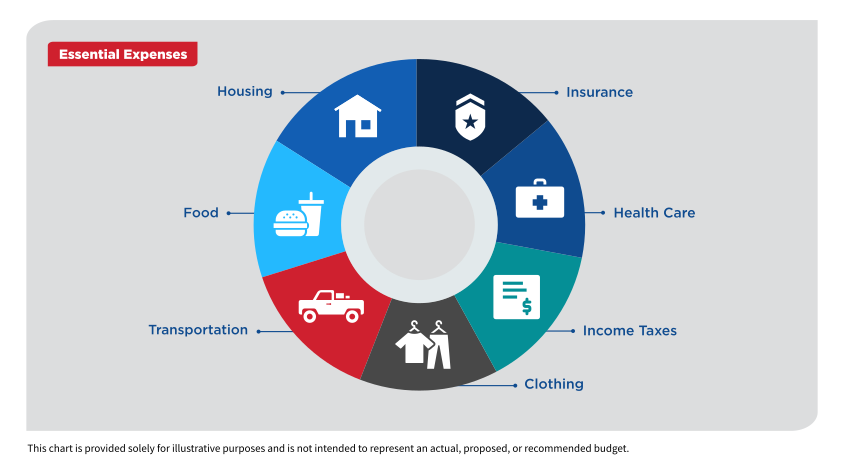
The problem is intensified when veterans can not spend for vital expenditures and the financial obligation is then reported to credit bureaus. Sometimes, medical debts arise from payment delays due to billing or insurance disputes and consumer confusion, and through no fault of the veteran. Among other barriers, reporting such financial obligation to the CRAs limits veterans' ability to secure employment, obtain security clearances, and recognize chances to buy or lease a home.

Latest Posts
Ways to Obtain Military Financial Relief in 2026
Securing Vital 2026 Military Funding Opportunities

Securing Financial Support Programs for 2026