All Categories
Featured
Ways to Obtain Military Financial Relief in 2026
Securing Vital 2026 Military Funding Opportunities

Holistic Veteran Wealth Management Tips in 2026

Why 2026 Financial Readiness Starts with Debt
Table of Contents
Identifying New Fraud Tactics in 2026
The technological shift of 2026 has introduced sophisticated methods for targeting former military members. Scammers have shifted away from simple email phishing, moving instead toward deepfake audio and AI-generated video calls that mimic official government representatives. These bad actors often possess specific details about a person's history, using stolen data to build immediate rapport. By posing as officials from the Department of Veterans Affairs or other benefit-issuing bodies, they aim to redirect monthly payments or gain access to personal banking credentials. Experience with Financial Rebuilding often helps people recognize the patterns of data collection that these fraudulent entities use to build their profiles.
Maintaining security in 2026 requires a high level of skepticism regarding unsolicited communication. Fraudsters frequently target individuals who have recently filed for Debt or those looking for medical debt relief. They promise to expedite claims or guarantee a higher rating for a fee, which is a significant red flag. Accredited representatives never charge a fee to file an initial claim. If a caller or website asks for a percentage of back-pay or an upfront processing fee, it is almost certainly a predatory scheme designed to siphon money from those who earned it through service.
Safeguarding Debt
Benefit optimization has become a major talking point in 2026 as inflation and housing costs fluctuate. While legitimate organizations provide assistance in navigating these changes, "pension poachers" have become increasingly active. These individuals often pose as financial planners, offering to help move assets so a veteran can qualify for the Aid and Attendance benefit. In reality, these moves can result in the loss of control over assets or disqualification from other essential programs. Dedicated Veteran Financials Support provides a layer of protection by offering verified information that contradicts the high-pressure tactics used by these predatory consultants.
The complexity of the current system in 2026 makes it easier for scammers to hide behind jargon. They might reference specific updates to the PACT Act or new 2026 legislation to sound authoritative. To counter this, many veterans are using secure portals and encrypted communication channels to verify any claims made by third parties. It is essential to remember that official agencies will never ask for passwords or full Social Security numbers over a standard phone call or through a text message. Verifying the identity of anyone claiming to offer financial relief is the first line of defense against modern identity theft.
Optimizing Financial Relief Without Risk
Many households are currently seeking ways to manage debt or lower interest rates on existing loans. Scammers take advantage of this by offering "specialized" veteran debt consolidation programs that are simply high-interest personal loans in disguise. These offers often appear in social media feeds or as targeted advertisements, using patriotic imagery to gain trust. Individuals searching for Veteran Financials for Active Duty should verify the credentials of any lending institution through official state and federal registries before sharing financial data.
Legitimate financial relief exists, but it rarely comes through an unsolicited text message. Organizations that provide genuine support for Debt usually operate through established networks and do not use high-pressure sales tactics. Veterans are encouraged to use the 2026 verification tools provided by the VA and the Federal Trade Commission to check if a company has a history of complaints or fraudulent activity. Taking forty-eight hours to research an offer can prevent years of financial recovery from a single mistake.
Digital Security and Account Protection
The standard for digital security in 2026 has moved beyond simple passwords. Multi-factor authentication is now a requirement for most financial accounts, yet scammers have found ways to bypass these through "SIM swapping" or social engineering. They might call a veteran, claiming there is a problem with their Debt, and then ask the veteran to read back a security code sent to their phone. This code allows the scammer to take over the account completely. No legitimate bank or government agency will ever ask for a one-time security code over the phone.
- Enable biometric locks on all financial applications.
- Use a separate, dedicated email address for benefit-related accounts.
- Monitor credit reports monthly for unauthorized inquiries.
- Avoid clicking links in text messages regarding benefit increases or "missed payments."
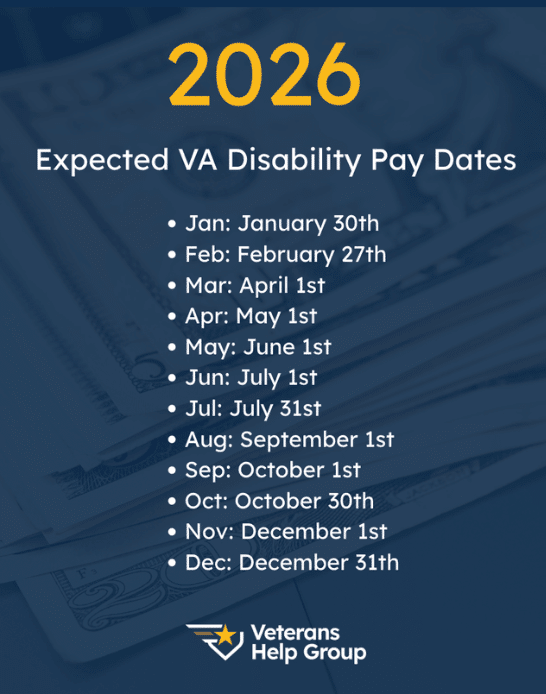
Protecting financial assets requires a proactive approach to technology. Many veterans are now using encrypted password managers to ensure their credentials are not reused across multiple sites. In 2026, data breaches are common, and using the same password for a social media account and a VA portal is a high-risk behavior. By isolating financial accounts and using unique, complex credentials, the risk of a total account takeover is significantly reduced.
Avoiding High-Pressure Investment Scams
In 2026, the rise of digital assets and complex investment vehicles has created a new playground for fraudsters. They often target retirees with "guaranteed" returns on cryptocurrency or private equity deals specifically tailored for those with a military background. These schemes often use affinity fraud, where the scammer claims to be a veteran or a military spouse to build trust quickly. They might talk about shared experiences or use military terminology to make the investment seem like an exclusive "brothers-in-arms" opportunity.
Genuine investment opportunities do not require immediate action or secrecy. If a "financial advisor" discourages someone from discussing a deal with their family or a lawyer, it is a clear sign of a scam. Most legitimate advisors are registered with the SEC or FINRA and are happy to provide their registration numbers for verification. In 2026, the ease of creating professional-looking websites makes it vital to look past the surface and verify the underlying business entity.
Managing Medical Debt and Insurance Scams
Healthcare continues to be a primary area for fraud in 2026. With new treatments and specialized Debt becoming available, scammers often call to offer "free" medical equipment or DNA testing kits to "check for eligibility." These are often ploys to get Medicare or VA insurance numbers, which are then used to bill the government for thousands of dollars in unnecessary services. This type of fraud can exhaust a person's benefits, leaving them without coverage when they actually need it.
Protecting insurance information is just as important as protecting a bank account number. Veterans should review their Explanation of Benefits (EOB) statements every month to ensure that every listed service was actually received. Discrepancies should be reported immediately to the provider and the insurance carrier. In 2026, the integration of digital health records has made it easier to track these errors, but it still requires a watchful eye from the policyholder to catch fraudulent billing early.
Verifying 2026 Benefit Adjustments
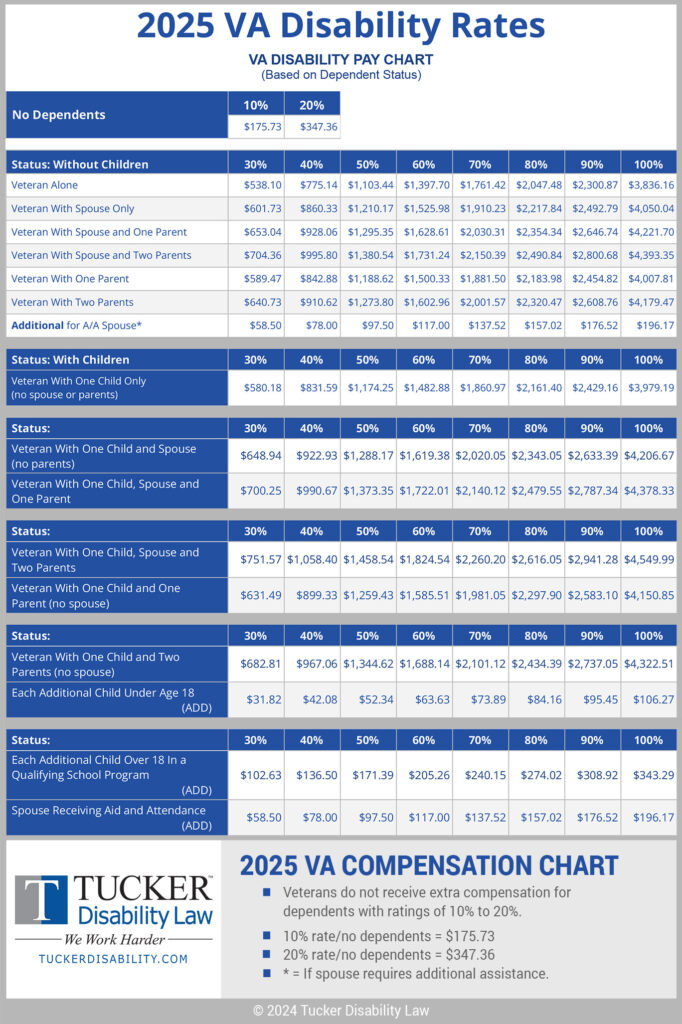
Each year brings changes to cost-of-living adjustments and benefit structures. In 2026, these adjustments are often used as a hook for phishing attacks. A common tactic involves sending a message stating that a veteran must "verify their account" to receive their new 2026 payment amount. These messages often include a link to a cloned website that looks identical to an official government login page.
Rather than clicking links, individuals should navigate directly to the official website by typing the address into their browser. Using bookmarked links for frequent sites is another way to ensure one does not end up on a spoofed page. Maintaining a direct line of communication with a trusted, local veteran service officer can provide a reliable way to check the validity of any new "mandatory" updates. These professionals have the latest information on Debt and can offer guidance that is both safe and accurate. Staying informed and moving slowly is the most effective way to keep financial resources secure throughout 2026.

Latest Posts
Ways to Obtain Military Financial Relief in 2026
Securing Vital 2026 Military Funding Opportunities

Securing Financial Support Programs for 2026